Through my art practice, I have continuously explored themes of geopolitical conflict, war, and peace by questioning foreign policy reforms that simultaneously address and overlook the complexities of cross-cultural immigration—especially within border regions—in an era of globalization. My past projects underlined the ongoing influence of post-colonialism in new foreign policy—alongside aggressive global capitalism. Post-colonialism and capitalism both tend to become central signifiers in my art for how an "ordered" world is envisioned. I use visual print media and text to critique how borders, trade, finance, and information, envisioned as aesthetic designs, can interrogate geopolitical security, migration, and the pervasive global trend of extreme nationalism.

Amin Rehman, Where Do We Go, encaustic on board, 2015-2025.
Member since: 2024
Number of exhibitions at the gallery: 1
Tell us a story about Red Head: It was great to present one of my important research projects, titled Bleeding Borders, at the Red Head in November, 2025.
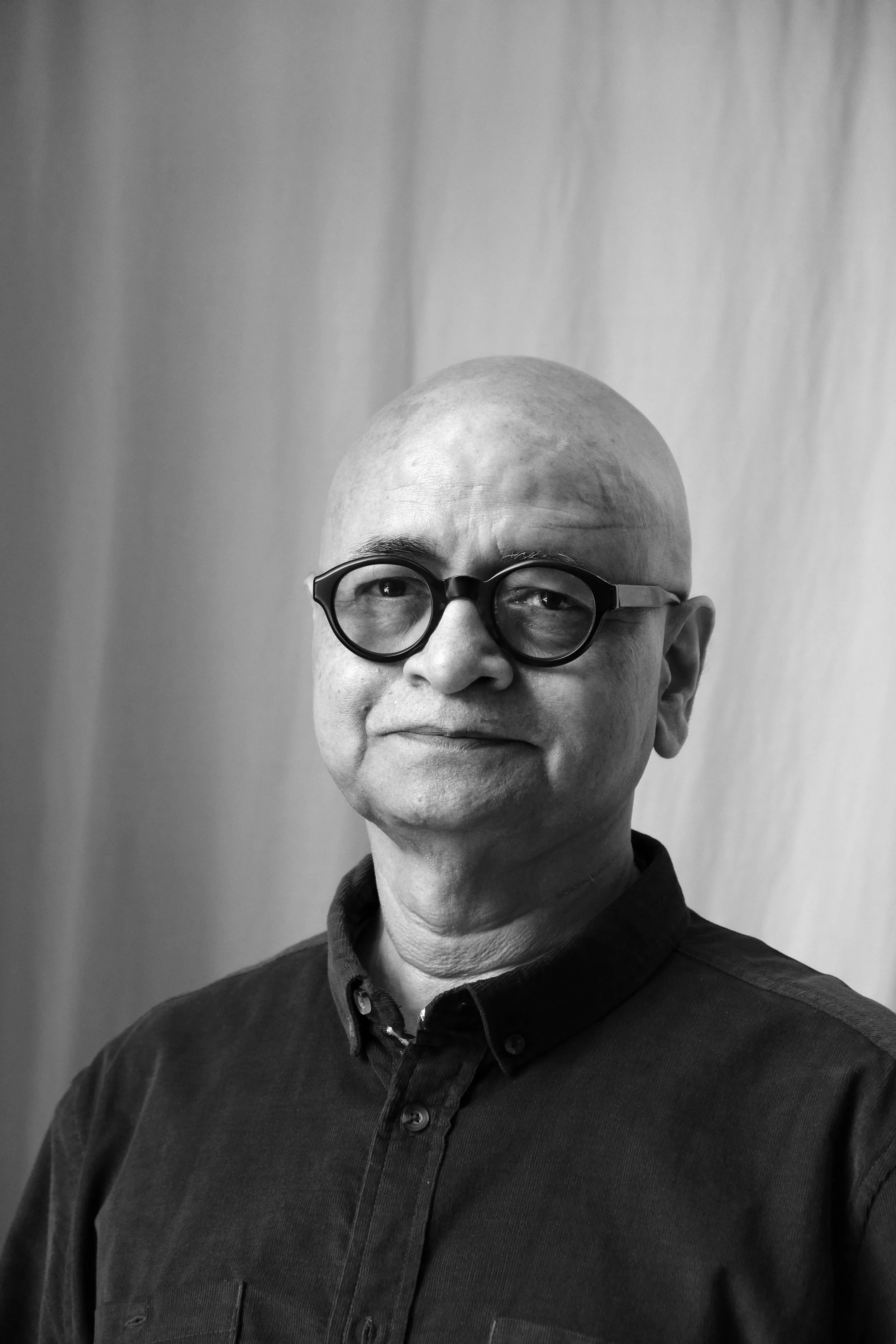
Amin Rehman (Toronto, ON) is a multidisciplinary visual artist exhibiting since the 1980s. His work engages with and comments on the current effects of neo-colonialism, globalization and climate change, encompassing multiple artistic mediums such as installation, painting, video and neon. He studied at the National College of Arts (Lahore, PK). Recent exhibitions include Water Wars, Karachi Biennial, Pakistan (2022); Bleeding Borders, Art Gallery of Grand Prairie, Alberta, Canada (2021); with multiple awards from Canada Council for the Art, Ontario Arts Council and Toronto Arts Council grants awarded between 1995 to 2025. Rehman received the Chalmers Fellowship Award in 2008 and 2021, the British Council Fellowship in 1988, a Smithsonian Internship in 1988, and named Artist of the Year in 2005 by the South Asian Visual Arts Collective.